Dental
Dental Assistant Salary in Utah: Ogden Pay Guide
Dental assistant salary in Utah: what Ogden DAs earn, how certification raises pay, and how Ogden Dental Assistant School trains you in 12 weeks.

Finding dental assistant classes nearby is the easy part — every mid-size city has options. The harder part is figuring out which classes actually prepare you for the job versus which ones just check a box on paper.
Here’s what to evaluate when comparing dental assistant classes in Ogden, and what the research says about which training characteristics produce the best outcomes.
O*NET — the U.S. Department of Labor’s occupational information system — identifies 35+ specific tasks that dental assistants perform on the job. Classes that don’t cover the full scope leave gaps that show up during interviews and in the first weeks of employment.
A complete program addresses all five competency areas:
O*NET specifically lists technology skills dental assistants need:
Best: Inside real dental offices using actual clinical equipment Adequate: Campus labs with dental instruments and simulation equipment Insufficient: Standard classrooms with textbooks only
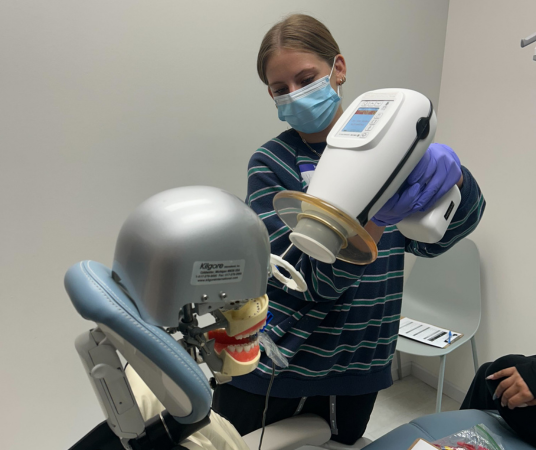
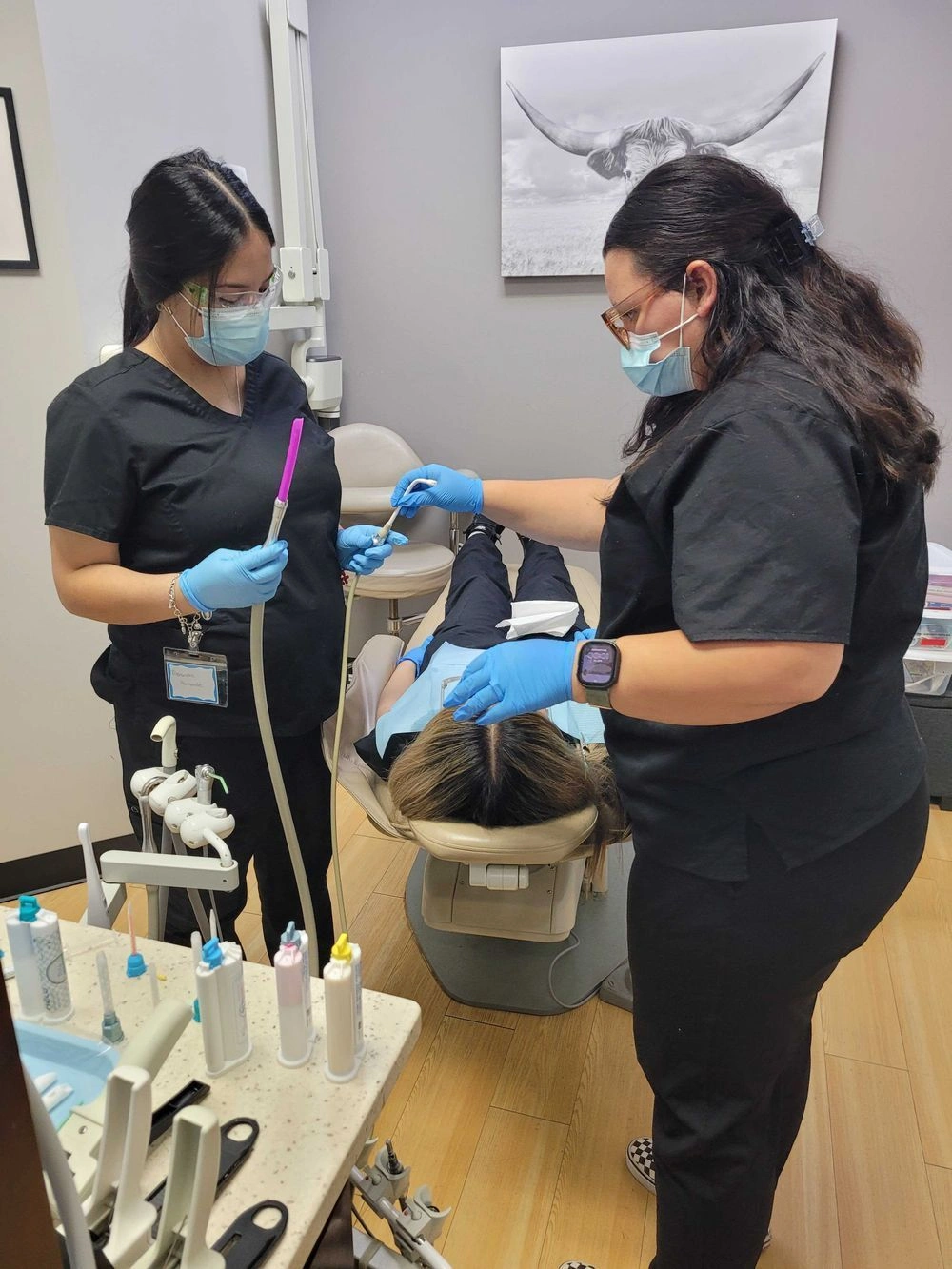
Ogden Dental Assistant School trains inside working dental practices. You handle real instruments, operate real X-ray equipment, and practice sterilization on real autoclaves from week one.
Dental assisting is a physical profession. Skills like instrument passing, radiograph positioning, and impression taking require muscle memory built through repetition. Programs heavy on lecture and light on practice produce graduates who know the material but can’t perform the tasks efficiently.
An externship places you in a local dental office for supervised patient care. This is where training becomes clinical experience — and where many graduates make the professional connections that lead to their first job.
Programs without externships leave a critical gap. Employers consistently rank clinical experience as the most important factor in hiring decisions.
The Registered Dental Assistant (RDA) credential is the most widely recognized certification. Programs that integrate exam prep throughout the curriculum (not just the last week) produce significantly higher pass rates.
| Program Type | Cost Range | Duration | |—|—|—| | Focused vocational program | $2,000–$5,000 | 10–12 weeks | | Community college certificate | $5,000–$15,000 | 9–12 months | | Associate degree program | $10,000–$25,000+ | 18–24 months |
For short-term training programs, student loans are unnecessary. Payment plans that let you pay as you go protect you from starting your career with debt.
WIOA funding: If you’re eligible, the Workforce Innovation and Opportunity Act may cover partial or full tuition for approved programs. Check CareerOneStop.org to find your local American Job Center.
Evening and weekend classes allow working adults to train without quitting their current job. If a program only offers weekday daytime classes, it may not be realistic for your situation.
When your classes are in Ogden, your externship is in Ogden. You build relationships with dental offices in your area — the same offices that hire when you graduate.
Training programs with long commutes have higher dropout rates. A nearby program makes consistent attendance realistic, especially for evening and weekend schedules.
Local classmates, instructors, and dental professionals become your professional network. Those connections support your career long after you complete the program.
The Bureau of Labor Statistics reports: